Advertisement
Click to download now, finish the installation quickly, and directly unlock the "all-round experience"
Advertisement
Screenshots
Click to download now, finish the installation quickly, and directly unlock the "all-round experience"
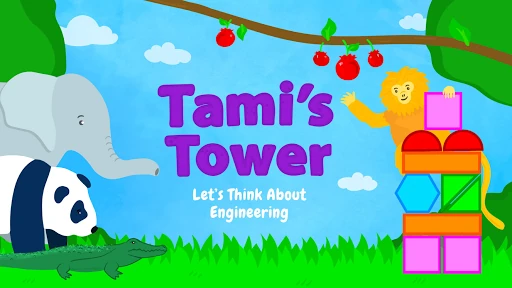
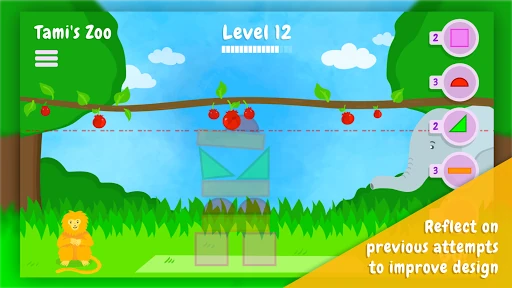
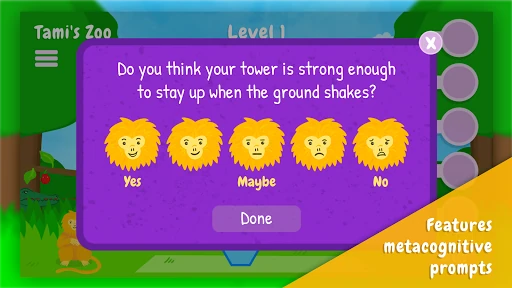
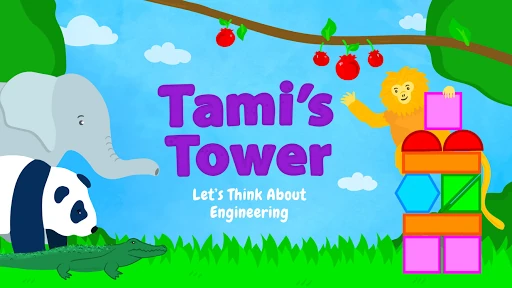
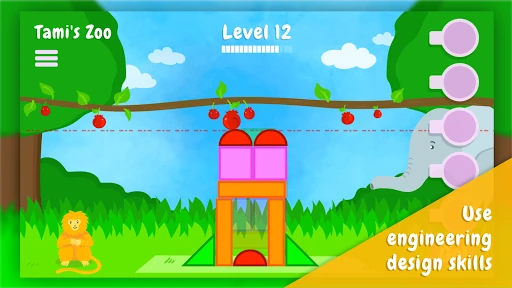
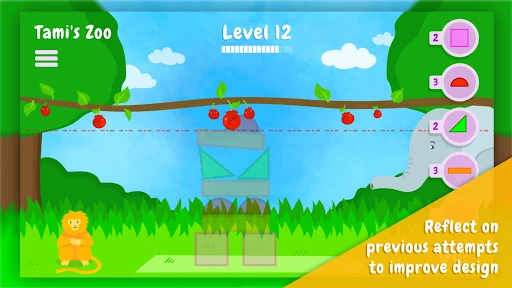
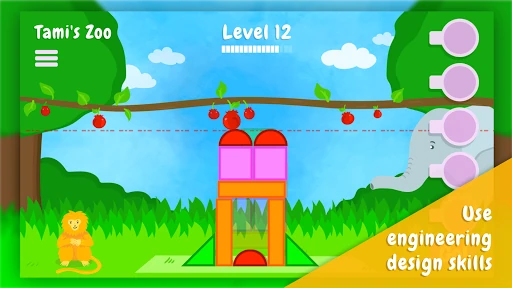
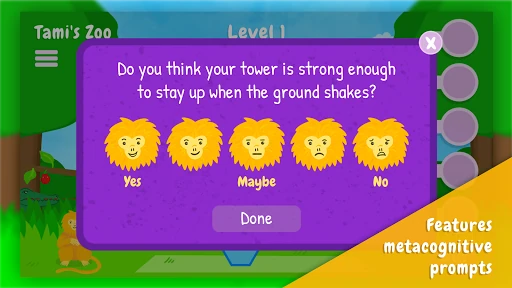
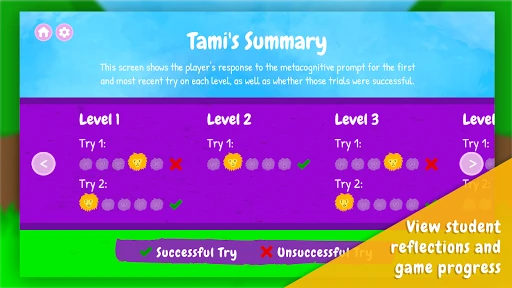
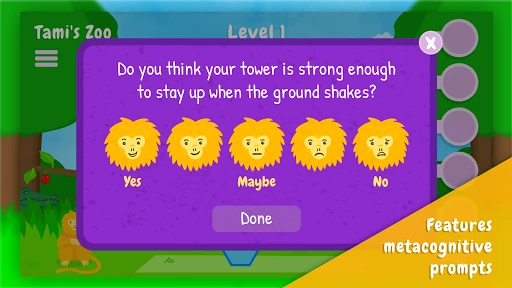
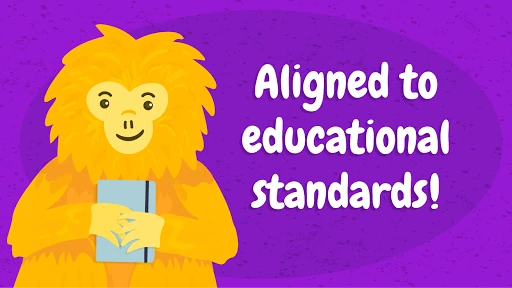
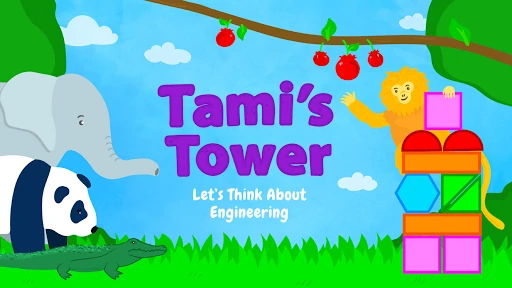
Developed by the prestigious Smithsonian Science Education Center, Tami’s Tower: Let’s Think About Engineering is a standout title in the K-2 educational landscape. It masterfully transforms complex engineering design principles into a playful, physics-based puzzle experience. By placing players in the role of a problem-solver helping a golden lion tamarin, the app effectively anchors scientific concepts in a relatable, high-stakes narrative for young learners. It is more than just a game; it is a research-grounded pedagogical tool that encourages critical thinking and resilience in the face of design failure, fitting perfectly into modern STEM curricula.
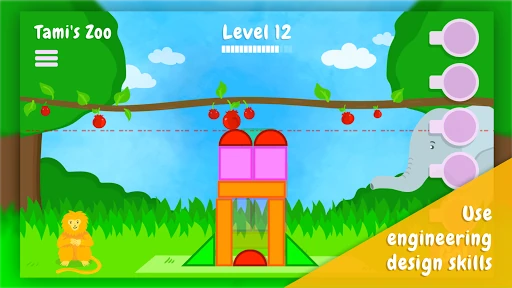
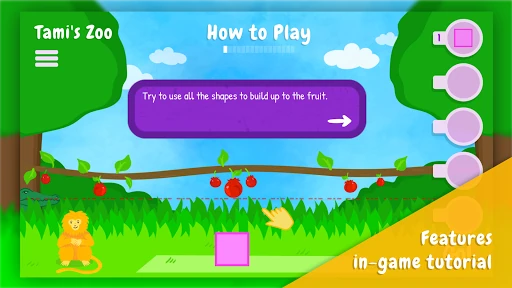
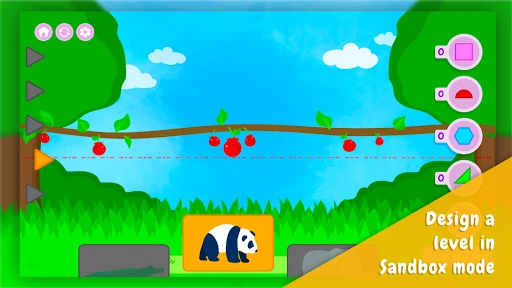
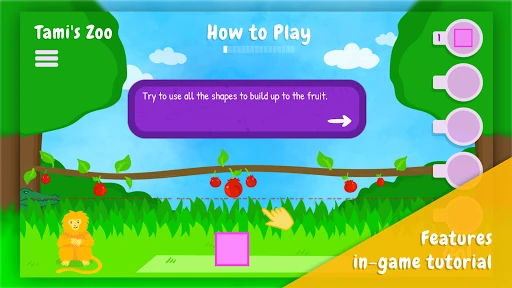
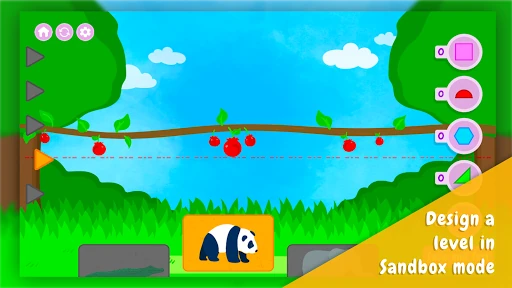
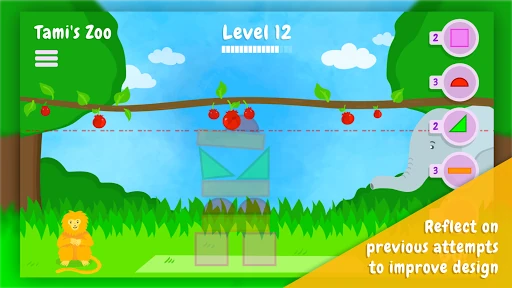
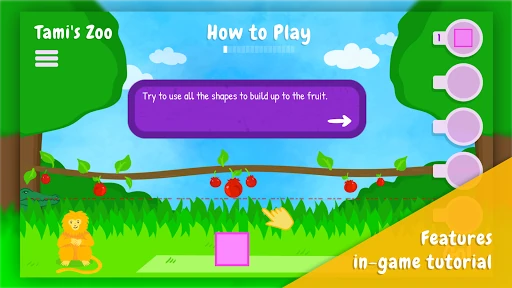
The interface is thoughtfully crafted for emergent readers, utilizing high-contrast visuals and intuitive touch-and-drag mechanics that minimize the need for heavy text. The design aesthetic is vibrant and engaging, characteristic of high-quality educational media. From a UX perspective, the inclusion of an in-game tutorial ensures that even the youngest users can navigate the physics engine without frustration. The feedback loop is immediate and constructive, allowing for the "trial and error" process that is essential to developing an engineering mindset.
Future updates could benefit from introducing more diverse environmental variables, such as varying wind speeds or different ground textures, to further challenge students' understanding of structural integrity. Additionally, a "museum mode" where students can view real-world engineering examples that mirror their in-game towers would strengthen the connection between the app and the Smithsonian’s vast scientific resources.
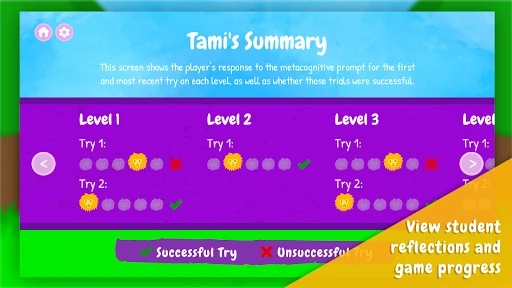
Tami’s Tower is an essential recommendation for parents and educators looking to introduce foundational STEM concepts to children aged 5 to 8. Its balance of Smithsonian-backed research and engaging gameplay makes it a top-tier choice for early engineering education. It is best suited for classroom rotations or supplemental at-home learning, providing a high-quality, ad-free environment for young minds to build, fail, and succeed.