IMAIOS e-Anatomy

IMAIOS e-Anatomy

IMAIOS SAS
Advertisement
4.1
Medical
1,000,000+ Downloads

Click to download now, finish the installation quickly, and directly unlock the "all-round experience"

Advertisement

Screenshots
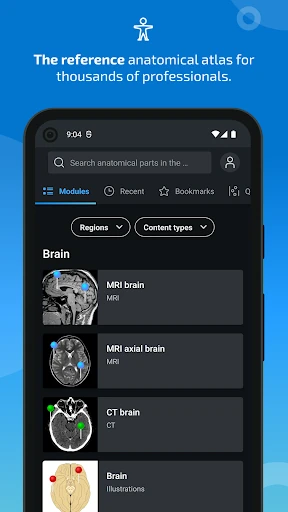
Screenshot
Screenshot
Screenshot
Screenshot
Screenshot
Screenshot
Screenshot
Screenshot
Screenshot
Screenshot
Screenshot
Screenshot
Screenshot
Screenshot
Screenshot
Screenshot
Screenshot
Screenshot
Screenshot
Screenshot
Screenshot
Screenshot
Screenshot
Screenshot

About This App

🏆 Expert Verdict & Overview

IMAIOS e-Anatomy establishes itself as a cornerstone application within the Medical category, serving as a comprehensive digital atlas that transcends the utility of traditional textbooks. It carves a distinct niche by providing a single, portable repository of meticulously labeled anatomical imagery and radiological views, targeting professionals and students who require immediate, detailed visual reference. This positions the app as a powerful educational and diagnostic support tool, aiming to be an essential partner in both learning environments and clinical practice.

🔍 Key Features Breakdown

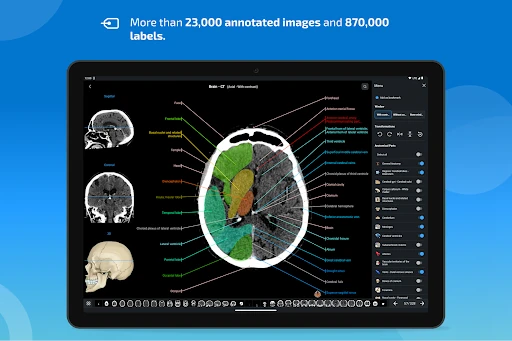
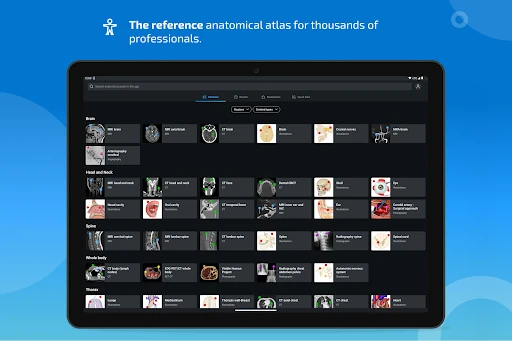
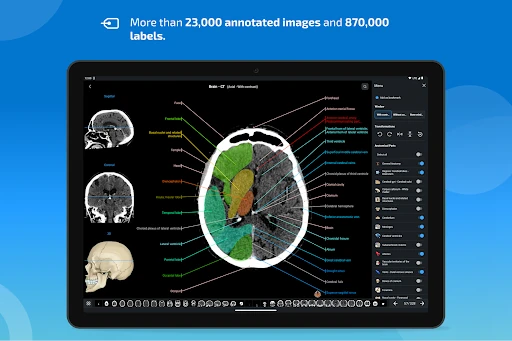
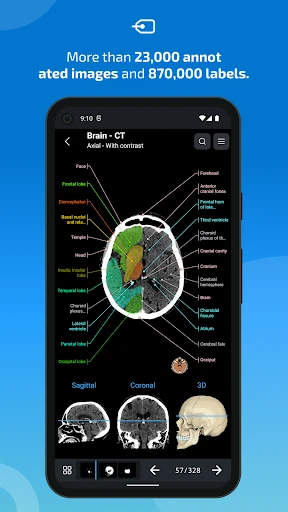
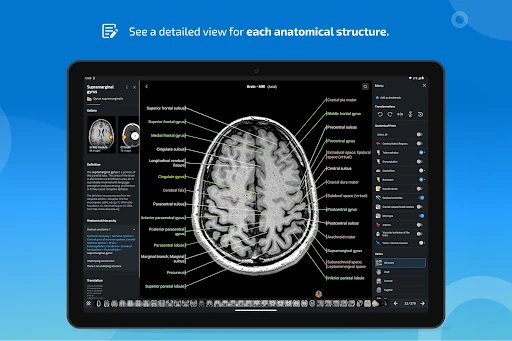
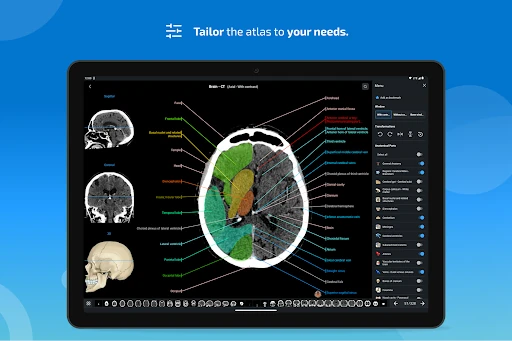
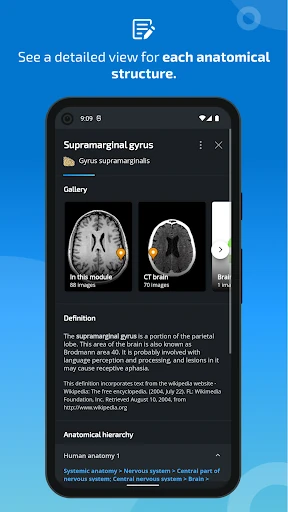
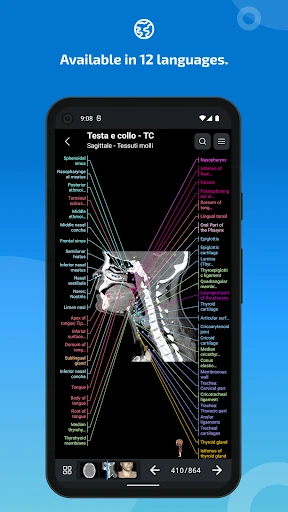
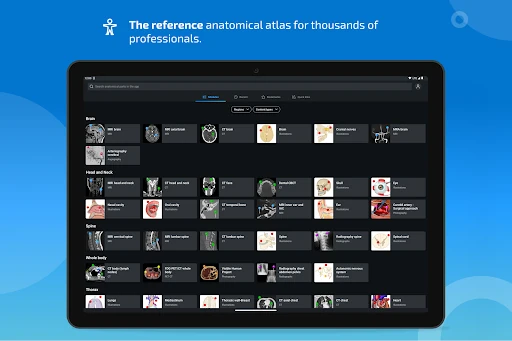
  • Comprehensive Multi-Modality Library: By offering over 26,000 images across axial, coronal, sagittal, radiography, and angiography views, it directly solves the problem of fragmented resources. Users can cross-reference anatomical charts with dissection photos and CT/MRI slices in one place, fostering a deeper, integrated understanding of human anatomy.
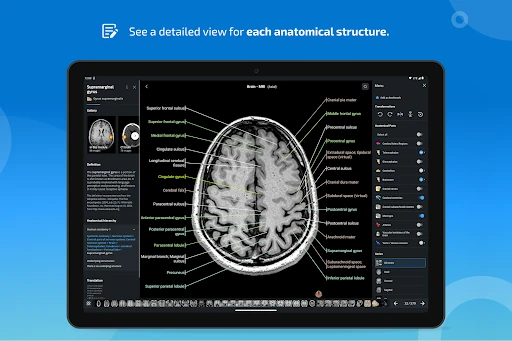
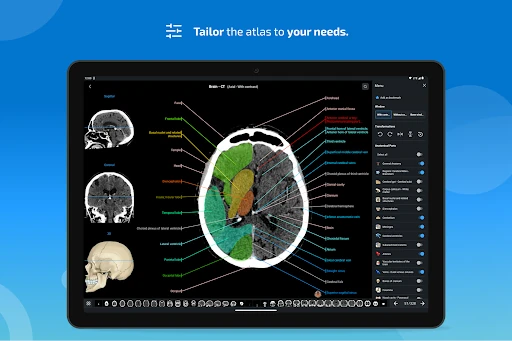
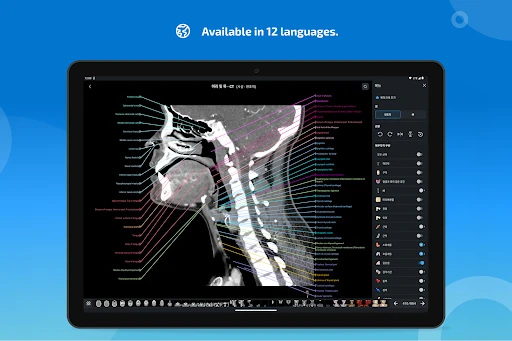
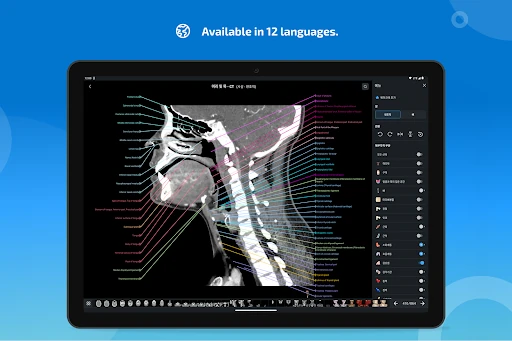
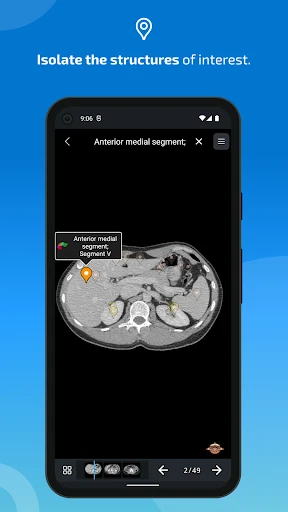
  • Interactive Labeling System: The ability to tap on over 967,000 labels in 12 languages addresses the challenge of memorizing complex terminology. It transforms passive viewing into an active learning experience, allowing users to quickly identify and confirm structures, which is critical for accurate study and reporting.
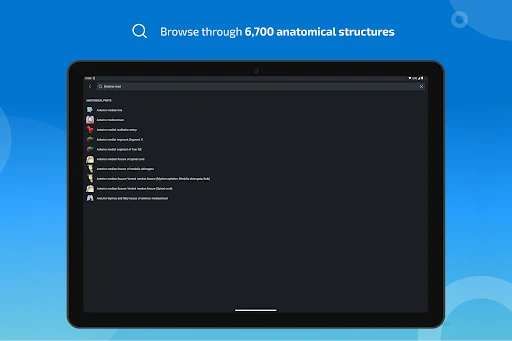
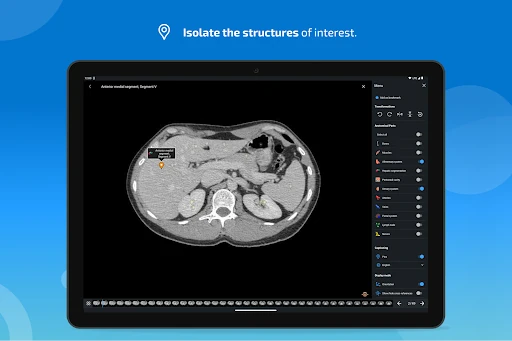
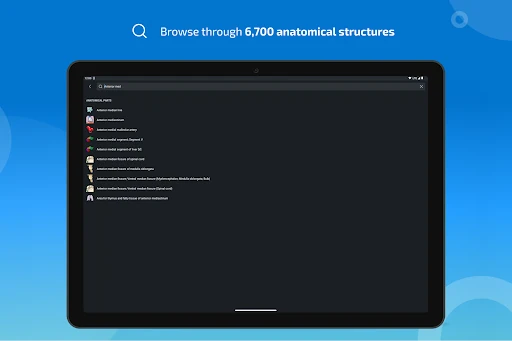
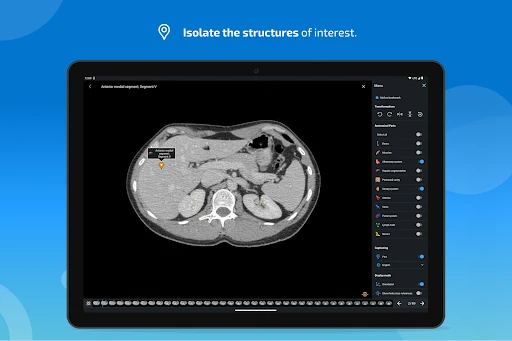
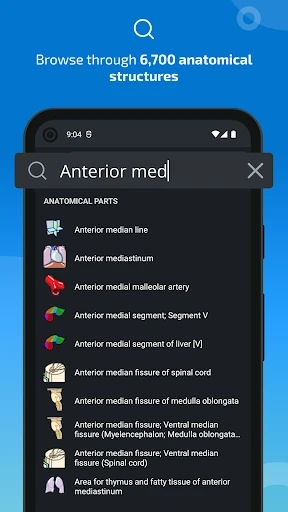
  • Index Search & Category Filters: This feature tackles the issue of navigating vast datasets efficiently. Medical professionals can pinpoint specific anatomical structures or systems rapidly, saving valuable time compared to manually scrolling through an entire image series, especially during time-sensitive reviews.
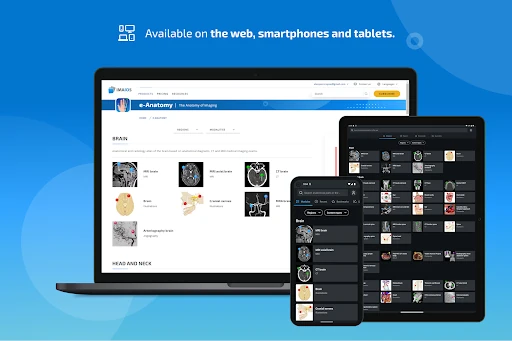
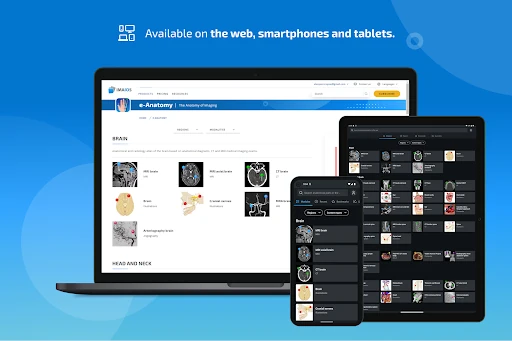
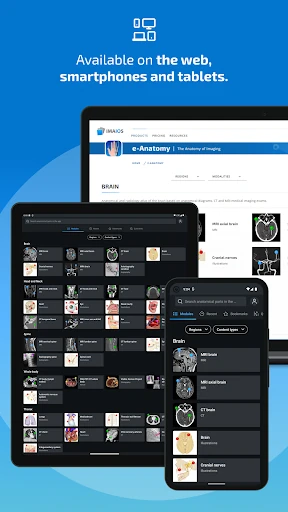
  • Multi-Platform Synchronization: By linking mobile access with the web-based atlas, it provides seamless workflow continuity. Users can start a study session on a desktop and continue it on a tablet in a lab or clinic, solving the problem of context switching between different resource platforms.
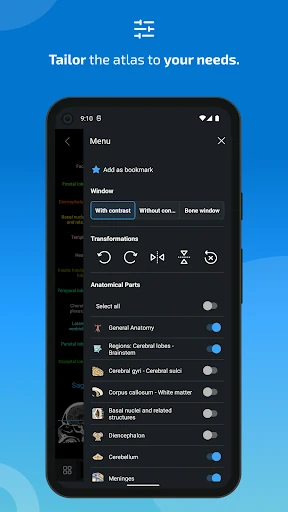
  • Multi-Language & Orientation Support: Switching languages with one tap caters to a global, multilingual user base, while support for multiple screen orientations solves the practical problem of device handling, allowing for comfortable use in portrait or landscape based on the image being studied.

🎨 User Experience & Design

The UI/UX is designed with the core workflow of a medical professional in mind, prioritizing clarity, precision, and efficiency over flashy aesthetics. The interface is purposefully functional, allowing the high-fidelity medical imagery to take center stage. Core interactions like scrolling, zooming, and tapping labels are intuitive and responsive, which is non-negotiable in a reference tool where hesitation or misinterpretation is not an option. The layout facilitates deep focus on the content, adhering to the high standards of accuracy and reliability expected in the Medical category. The design successfully minimizes cognitive load for complex anatomical navigation.

⚖️ Pros & Cons Analysis

  • ✅ The Good: Unmatched breadth and depth of labeled anatomical and radiological imagery in a single, portable application.
  • ✅ The Good: Excellent interactive features like tappable labels and robust search, promoting active over passive learning.
  • ✅ The Good: Regular updates and new modules included in the subscription, ensuring content stays current.
  • ❌ The Bad: The $124.99 annual subscription price is a significant investment, placing it out of reach for casual users or students on tight budgets.
  • ❌ The Bad: The mandatory periodic online verification for institutional users undermines the "offline" promise for a key user segment, potentially hindering use in areas with poor connectivity.
  • ❌ The Bad: Lack of a lower-cost, tiered subscription (e.g., student plan, single-module access) limits its accessibility.

🛠️ Room for Improvement

First, introducing a true offline mode for university-affiliated users, where credentials are cached for a longer duration, would significantly enhance utility in various learning and clinical environments. Second, diversifying the subscription model to include a lower-priced tier for students or a one-time purchase option for specific modules could dramatically expand the user base. Finally, integrating basic 3D model manipulation or cross-sectional slicing tools would align the app with modern anatomical study trends, adding another layer of interactive learning beyond static 2D image sets.

🏁 Final Conclusion & Recommendation

IMAIOS e-Anatomy is unequivocally recommended for its primary target audience: medical students, radiology technicians, residents, and practicing physicians who require a definitive, portable anatomical reference. For these users, the depth of content and precision of labeling justify the subscription cost as a professional tool. However, it is not suitable for casual learners or those seeking a free anatomy guide. The final verdict is that this is a premium, specialist-grade application that delivers immense value to its intended professional and academic user, despite the high barrier to entry.