Microsoft Launcher
Microsoft Corporation
Downloads
50,000,000+
Version
Latest
Advertisement
Click to download now, finish the installation quickly, and directly unlock the "all-round experience"
Advertisement
Screenshots
Click to download now, finish the installation quickly, and directly unlock the "all-round experience"
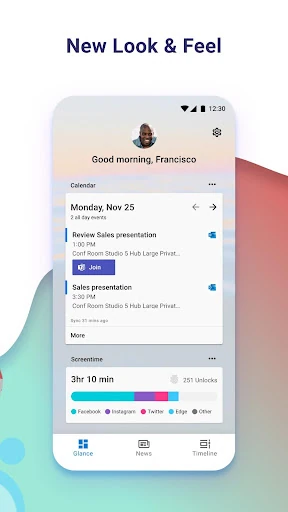
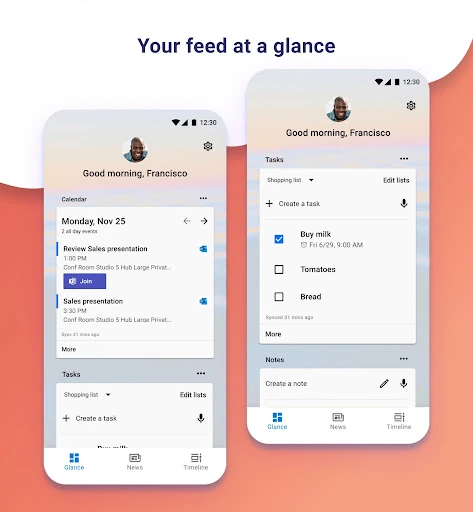
Microsoft Launcher stands as a powerhouse in the Android personalization landscape, successfully rebranding itself from its "Arrow Launcher" roots into a sophisticated productivity engine. Unlike many launchers that focus purely on aesthetics, Microsoft Launcher bridges the gap between mobile hardware and the desktop environment, specifically targeting users within the Microsoft 365 ecosystem. It represents a professional-grade alternative to stock interfaces, offering a clean, "Fluent Design" aesthetic that prioritizes utility and seamless cross-platform continuity.
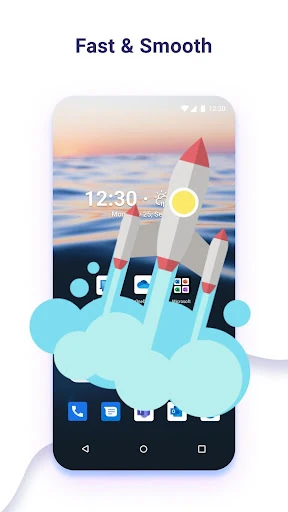
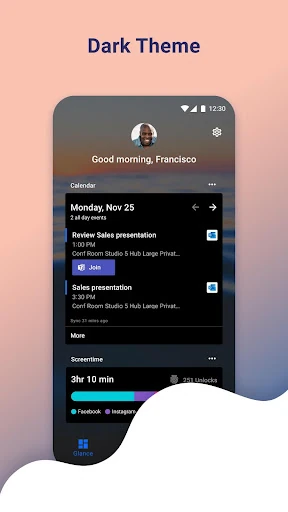
The user interface of Microsoft Launcher is built on clarity and fluidity. Adhering to modern design standards, the UI feels lightweight despite its heavy feature set. The transition from the home screen to the "Feed" is exceptionally smooth, thanks to a rebuilt codebase that emphasizes performance. The UX is intuitive for those coming from a Windows environment, but it remains accessible enough for any Android user to pick up without a steep learning curve. The implementation of Dark Theme is particularly well-executed, integrating natively with system-wide Android settings to reduce eye strain in low-light environments.
To further elevate the experience, the developers should consider more granular control over the News Feed categories to reduce information overload. Additionally, expanding the "Continue on PC" functionality to include more third-party app handoffs, rather than just web links and documents, would solidify its position as the ultimate bridge between mobile and desktop computing. Better optimization for low-RAM devices would also help expand its reach to budget-tier hardware.
Microsoft Launcher is the definitive choice for professionals, students, and "pro-users" who value productivity and organization over purely decorative modifications. It is specifically recommended for those who utilize Windows PCs, as the ecosystem synergy is its greatest strength. For users looking to transform their phone into a more organized, work-ready tool without sacrificing beauty, Microsoft Launcher is a top-tier recommendation.