
Advertisement
Click to download now, finish the installation quickly, and directly unlock the "all-round experience"
Advertisement
Screenshots
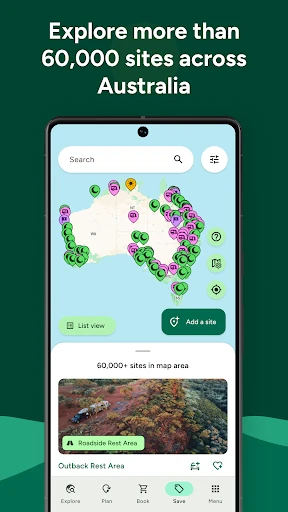

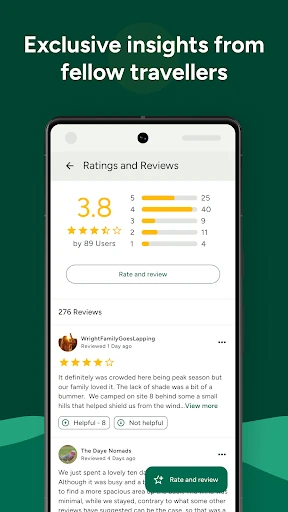
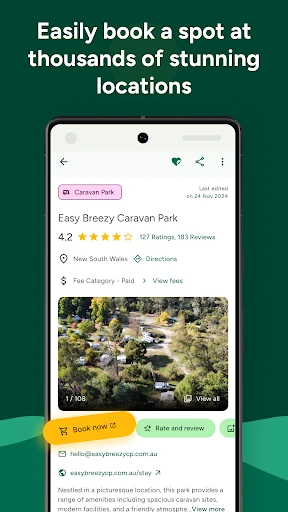

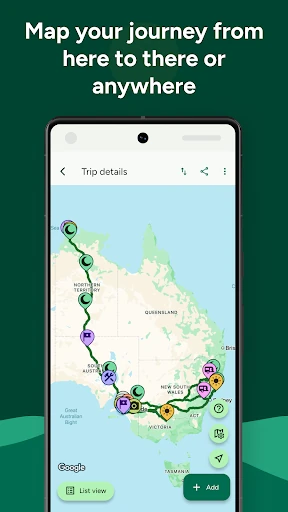




Click to download now, finish the installation quickly, and directly unlock the "all-round experience"
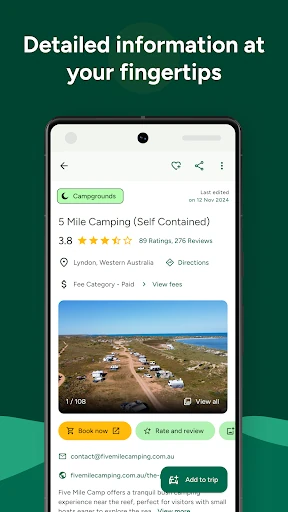
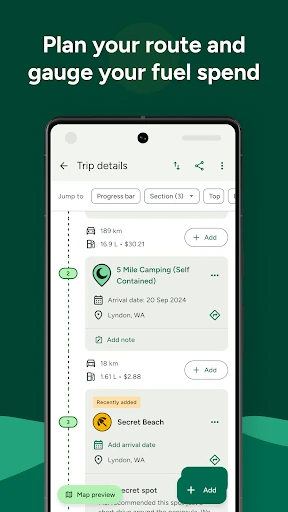
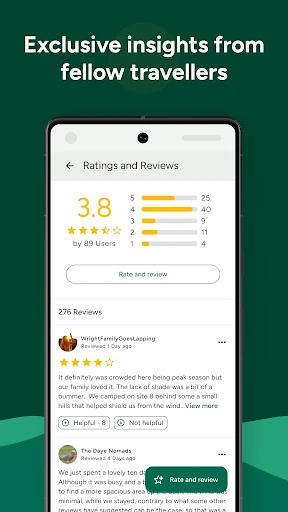
WikiCamps Australia stands as the definitive gold standard for independent travel and camping within the Australian landscape. Positioned as a premier utility in the Travel & Local category, it transcends the typical directory app by functioning as a community-driven ecosystem. Its massive database and specialized feature set make it an indispensable tool for anyone navigating the vast and often disconnected regions of the Australian outback. By prioritizing reliable offline data and authentic user-generated content, WikiCamps has cemented itself as a high-value investment for domestic and international travelers alike.
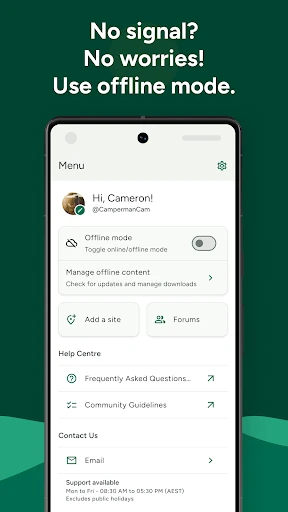
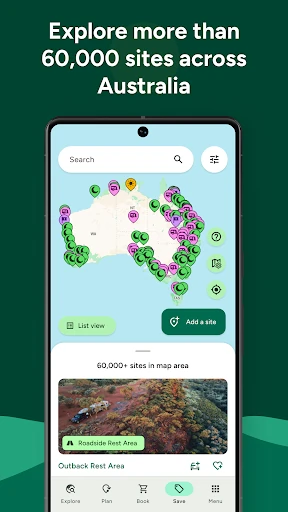
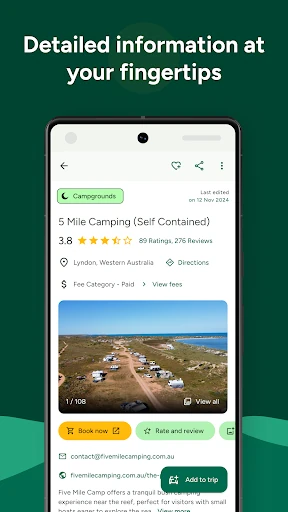
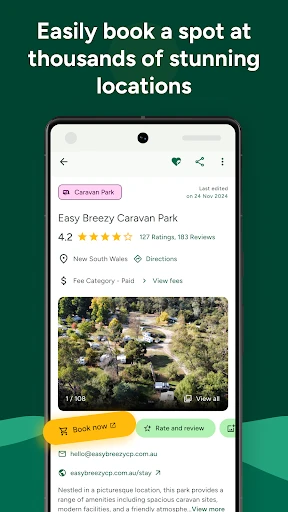
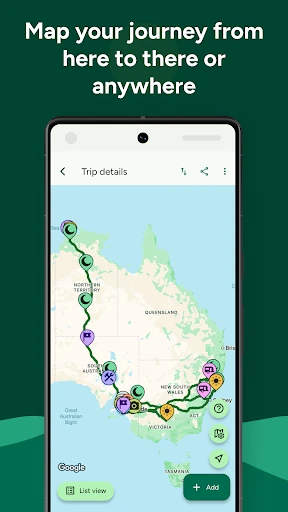
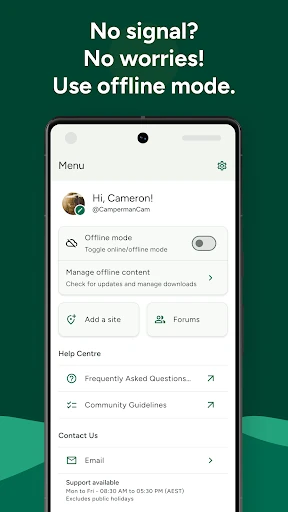
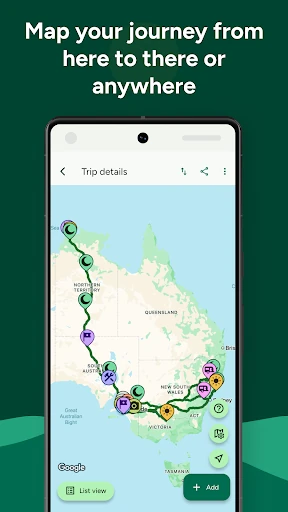
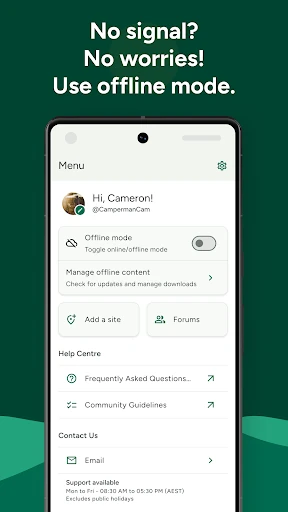
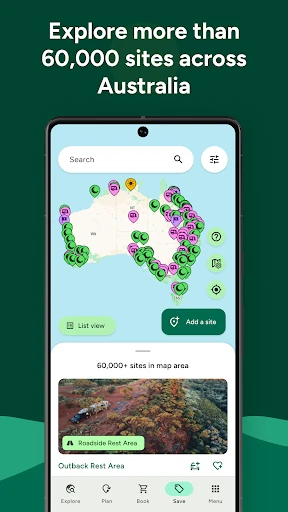
The user interface of WikiCamps Australia favors utility and information density over minimalist aesthetics, a choice that aligns with the needs of its core demographic. While the design may feel slightly utilitarian compared to modern social apps, the UX is logically structured around map-based discovery. The transition from high-level mapping to detailed site profiles is seamless, and the "Collections" feature provides an excellent way for users to organize their research without cluttering the main view. For a Travel & Local app, the ease of access to offline content is the standout design achievement, ensuring the app remains functional when it is needed most.
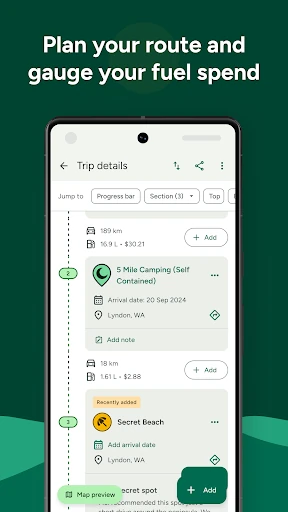
While the app is functionally superior to most competitors, the developers could benefit from a visual refresh to bring the UI in line with modern Android design standards. Implementing a more advanced search algorithm that supports natural language queries (e.g., "quiet spots near the coast with showers") would further enhance the user experience. Additionally, integrating real-time weather alerts or road closure notifications directly into the Trip Planner would add an extra layer of safety for outback adventurers.
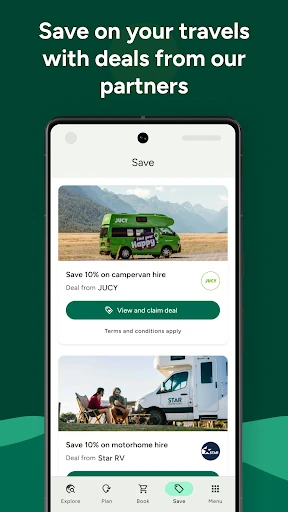
WikiCamps Australia is a must-have tool for camping enthusiasts, "grey nomads," and backpackers exploring the continent. It is specifically designed for those who value autonomy and require reliable information in areas with limited connectivity. Given the comprehensive nature of its database and its robust offline capabilities, it remains the top recommendation for anyone planning a road trip or outdoor adventure in Australia. This is a rare example of a utility app that pays for itself through a single saved booking or well-planned fuel stop.