Advertisement
Click to download now, finish the installation quickly, and directly unlock the "all-round experience"
Advertisement
Screenshots
Click to download now, finish the installation quickly, and directly unlock the "all-round experience"
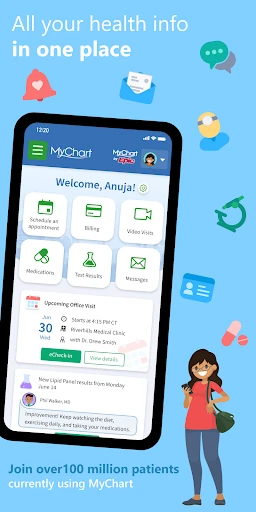
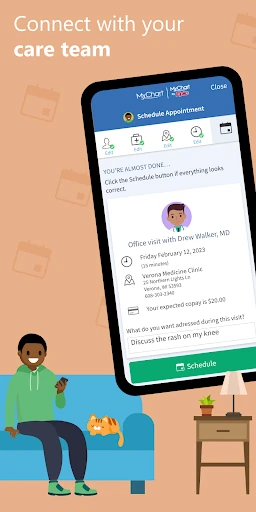
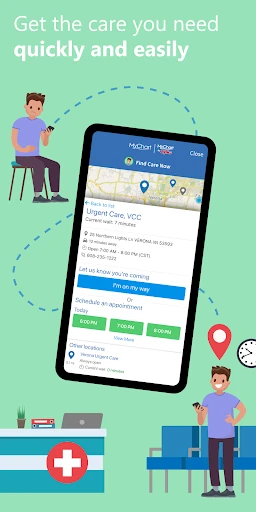
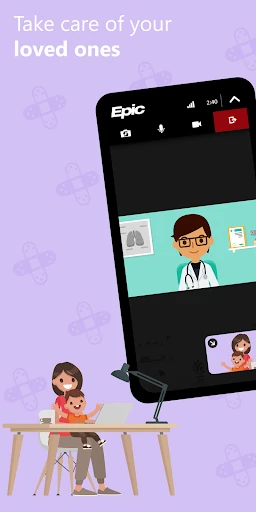
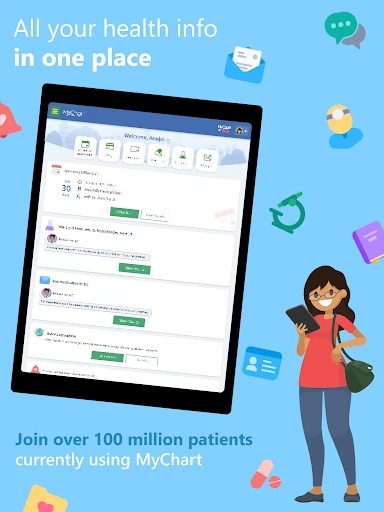
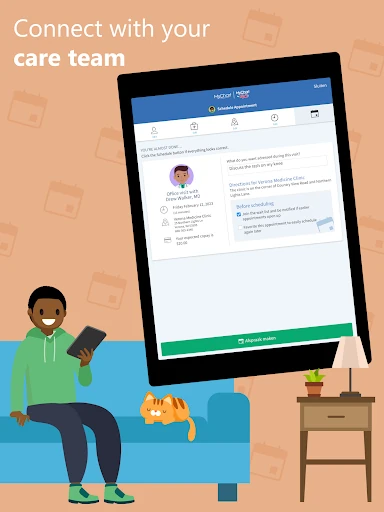
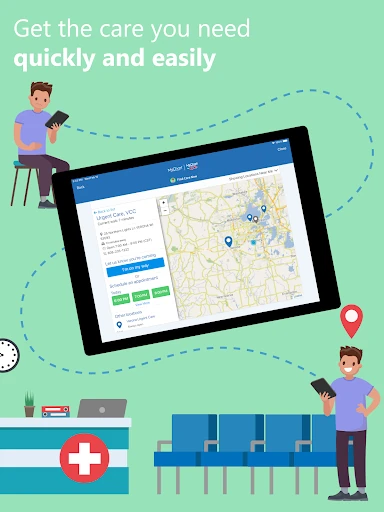
MyChart stands as the definitive benchmark in the Medical category, serving as the primary bridge between patients and the Epic systems used by leading healthcare providers worldwide. It is not merely a record-viewing tool but a comprehensive health management ecosystem. By centralizing sensitive medical data—ranging from lab results to billing—into a single, secure mobile interface, MyChart effectively transitions the patient experience from a passive, paper-based model to an active, digitally-empowered one. Its ability to aggregate data from multiple organizations makes it an indispensable utility for patients navigating complex healthcare journeys across different providers.
The user interface of MyChart is designed with a focus on clarity and security, which are paramount in the Medical category. The layout is functional, prioritizing high-utility actions like messaging doctors or checking results. The inclusion of biometric authentication (fingerprint and four-digit passcodes) demonstrates a sophisticated understanding of the friction between security and convenience. While the UI can occasionally feel dense due to the sheer volume of data, the hierarchical navigation ensures that critical health alerts and notifications are front-and-center, maintaining a high standard of usability for a diverse demographic.
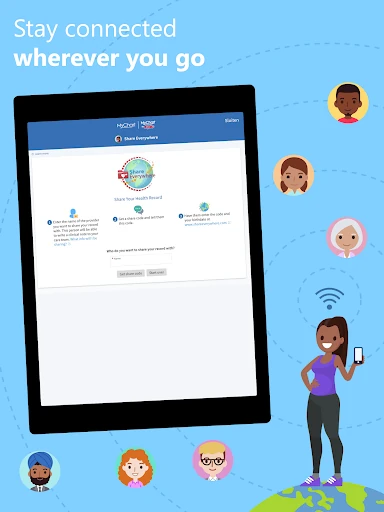
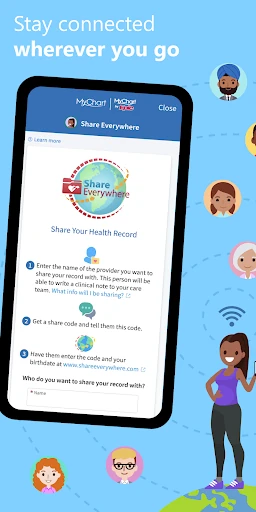
The app would benefit significantly from a more standardized baseline of features that are mandatory across all participating organizations to reduce user confusion. Additionally, improving the "Share Everywhere" interface to include a "Emergency Mode" for quick access to vital stats (like blood type and allergies) by first responders would enhance its utility as a life-saving tool. Modernizing the legacy aesthetic in certain sub-menus to match contemporary Material Design standards would also improve visual flow.
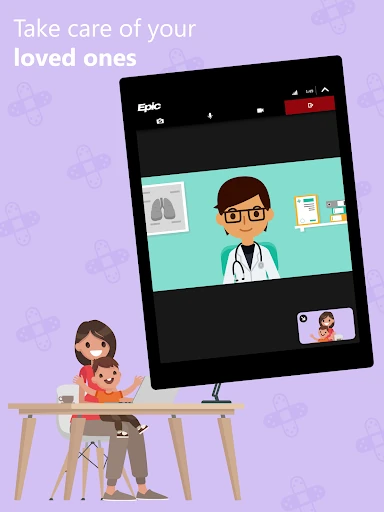
MyChart is a must-have application for any patient whose healthcare provider operates within the Epic ecosystem. It is particularly valuable for individuals managing chronic conditions or those coordinating care for family members. While its performance is partially tethered to the technological maturity of the user's specific hospital system, it remains the most powerful and secure personal health record platform available on the Google Play Store today.