Advertisement
Click to download now, finish the installation quickly, and directly unlock the "all-round experience"
Advertisement
Screenshots
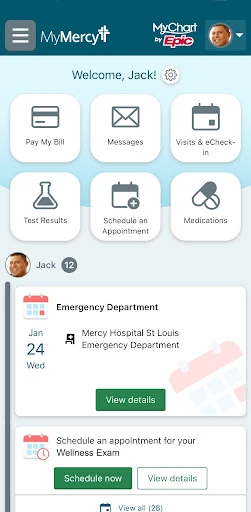
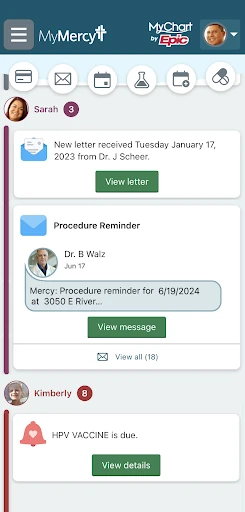
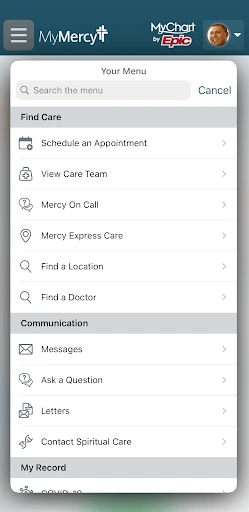

Click to download now, finish the installation quickly, and directly unlock the "all-round experience"
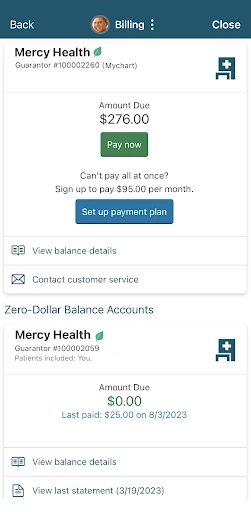
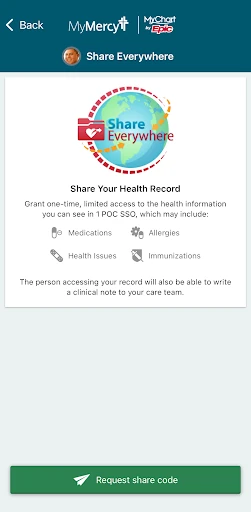
MyMercy serves as a sophisticated digital bridge between patients and the Mercy health system, positioning itself as a cornerstone in the modern medical landscape. As a comprehensive patient portal, it effectively transitions the complexities of healthcare management—from clinical records to administrative billing—into a streamlined mobile experience. By centralizing sensitive health data and communication channels, MyMercy empowers users to take proactive control of their wellness journey, ensuring that critical medical information is always accessible at the point of care.
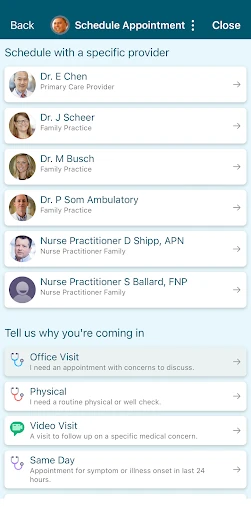
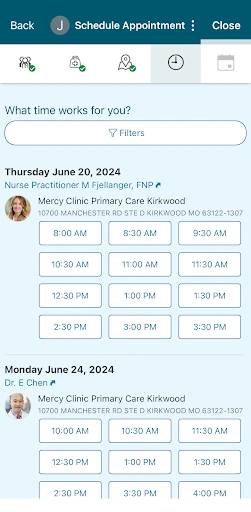
The MyMercy interface prioritizes utility and accessibility, which are the two most critical benchmarks for applications in the medical category. The design language focuses on clarity, utilizing high-contrast text and intuitive navigation paths that cater to a broad demographic, ranging from tech-savvy millennials to older adults. By mirroring the structure of the MyMercy.net web portal, the app ensures a low cognitive load for existing users, making the transition from desktop to mobile nearly seamless. While the aesthetic is functional rather than flashy, it reinforces a sense of security and professionalism essential for handling sensitive personal health information.
To further elevate the user experience, MyMercy should consider implementing a more streamlined in-app registration process for patients who haven't yet established a web presence. Enhancing the UI with more contemporary design elements—such as smoother transitions and a more personalized dashboard—would improve engagement. Additionally, expanding the integration of wearable data to include more diverse platforms would provide providers with an even richer data set for preventative care.
MyMercy is an essential download for any patient currently under the care of the Mercy health system. It is specifically designed for individuals who value transparency, convenience, and direct involvement in their medical treatment. By successfully digitizing the patient-provider relationship, it stands as a highly reliable and secure tool that transforms the smartphone into a powerful personal health assistant. For Mercy patients, this app is not just a convenience; it is a vital component of a modern healthcare strategy.