Zomato: Food Delivery & Dining

Zomato: Food Delivery & Dining

Zomato
Advertisement
4.6
Food & Drink
100,000,000+ Downloads

Click to download now, finish the installation quickly, and directly unlock the "all-round experience"

Advertisement

Screenshots
Screenshot
Screenshot
Screenshot
Screenshot
Screenshot
Screenshot
Screenshot
Screenshot
Screenshot
Screenshot
Screenshot
Screenshot
Screenshot
Screenshot
Screenshot
Screenshot
Screenshot
Screenshot
Screenshot
Screenshot
Screenshot
Screenshot
Screenshot
Screenshot

About This App

🏆 Expert Verdict & Overview

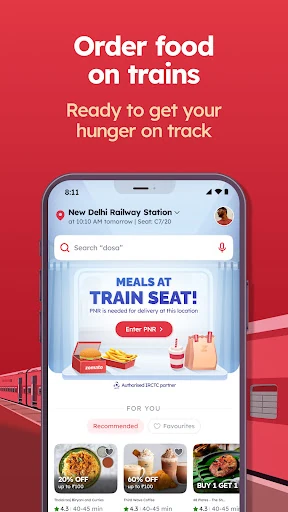
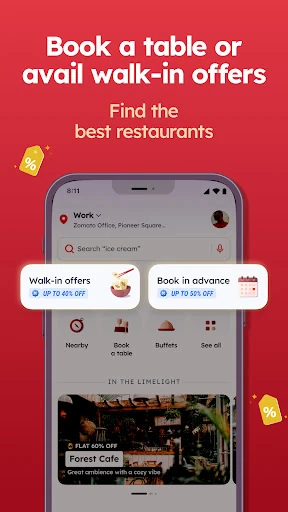
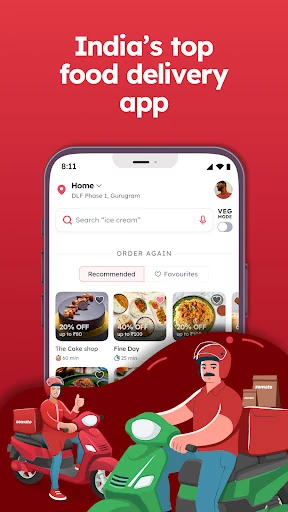
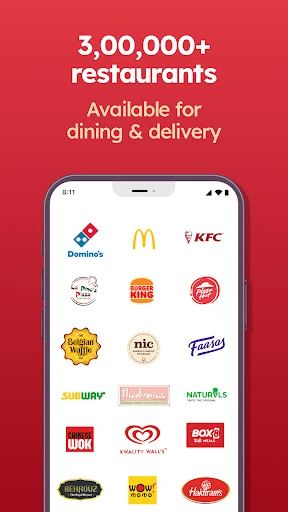
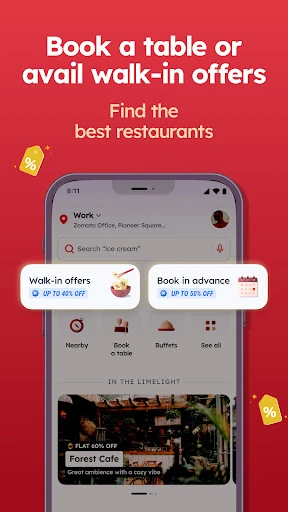
Zomato: Food Delivery & Dining stands as a comprehensive lifestyle platform that has evolved far beyond simple food delivery. Within the crowded Food & Drink category, it distinguishes itself by seamlessly integrating three core verticals: at-home delivery, restaurant discovery/dining, and live event exploration. This positions Zomato not just as a transactional tool, but as a central hub for all food and entertainment decisions, leveraging a massive network of over 1.5 million restaurants and deep market penetration since 2008. Its strategy addresses the user's complete journey from craving to consumption, whether at home or out, making it a formidable and sticky ecosystem.

🔍 Key Features Breakdown

  • Tri-Vertical Integration: Consolidates delivery, dine-out booking, and live event discovery into a single app, reducing the need for multiple specialized applications and simplifying the user's decision-making process.
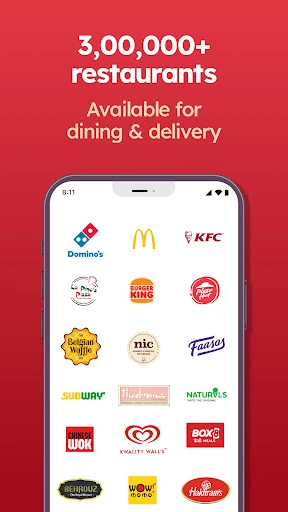
  • Comprehensive Restaurant & Cuisine Discovery: Solves the "what to eat" dilemma with powerful search filters, curated 'Collections', user reviews, and photos, helping users confidently discover new restaurants or find specific dishes.
  • Real-Time Order Tracking & 24/7 Support: Directly addresses user anxiety around delivery timing and order issues by providing live tracking transparency and round-the-clock accessible customer support.
  • Diverse Payment & Discount Ecosystem: Catalyzes transactions by offering multiple secure payment options (UPI, COD, BNPL) combined with substantial discounts and cashback offers on both delivery and dining, improving perceived value.
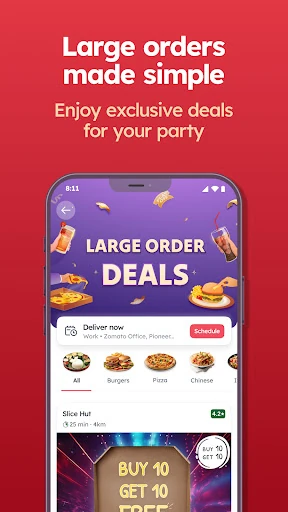
  • Specialized Culinary Programs (Instant & Intercity Legends): Targets specific user needs: Instant solves for immediate hunger with ultra-fast delivery, while Intercity Legends solves for nostalgia and culinary tourism by delivering iconic dishes from other cities.
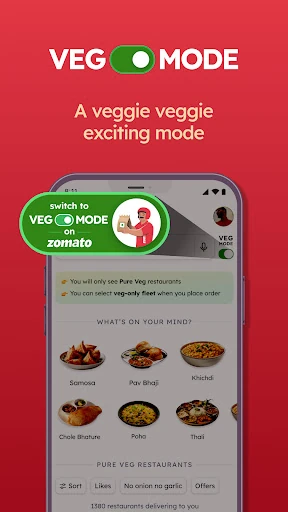
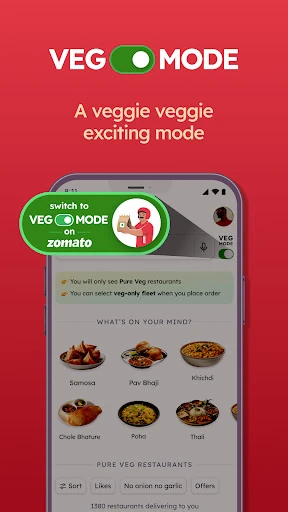
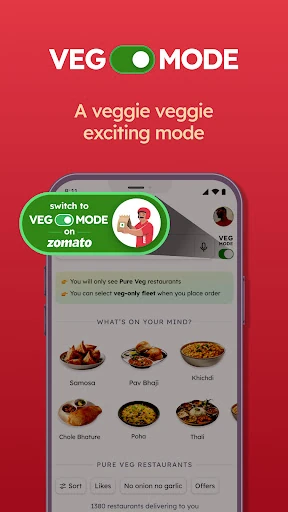
  • Dietary Preference Filtering: Reduces friction for vegetarian and health-conscious users by providing clear filters for vegetarian-only restaurants and dietitian-curated "Healthy" options.

🎨 User Experience & Design

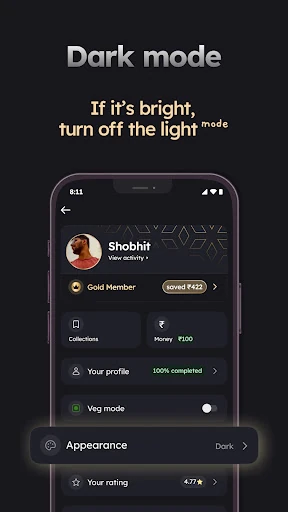
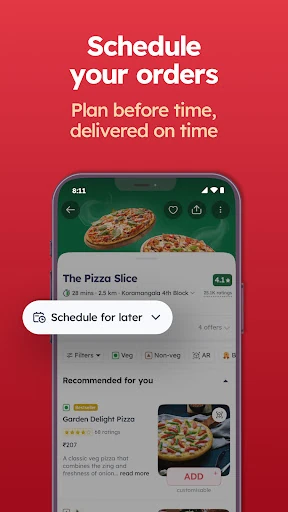
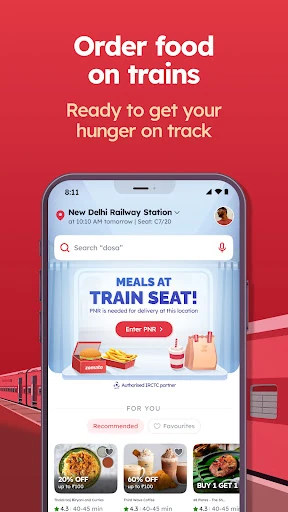
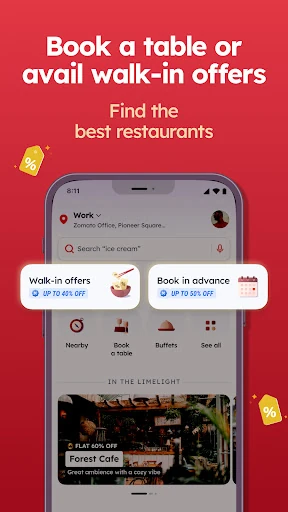
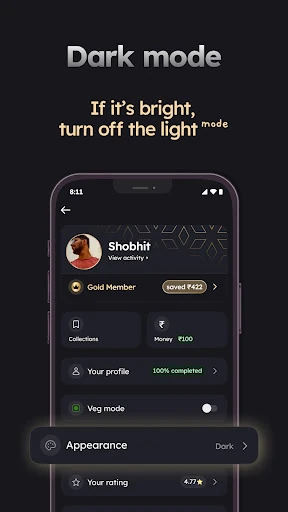
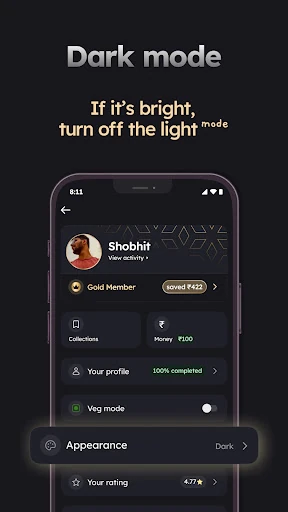
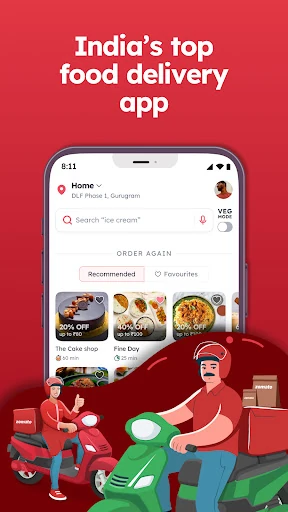
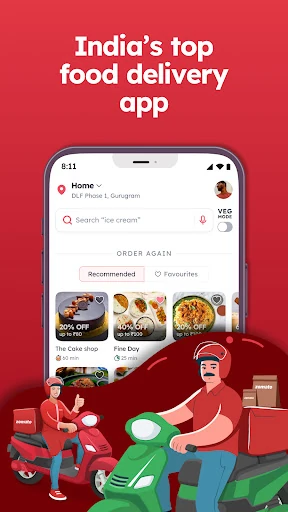
The app's UI employs a clean, visually-driven design typical of successful Food & Drink apps, prioritizing high-quality restaurant images and clear CTAs to guide users towards ordering or booking. The UX is built for efficiency, with a logical information hierarchy that surfaces restaurant ratings, delivery times, and offers upfront. The integration of three distinct services (Delivery, Dining, Live) is handled through a bottom navigation bar, making core functionality accessible with one tap. However, this feature richness can occasionally lead to a cluttered interface, especially with numerous promotional banners. The core flow—browsing, selecting, and paying—remains intuitive and optimized for speed, which is critical in this category where decision fatigue and hunger are key factors.

⚖️ Pros & Cons Analysis

  • ✅ The Good: Unmatched breadth of services covering nearly every food-related need in one platform.
  • ✅ The Good: Extensive restaurant database and powerful discovery tools make finding the right meal effortless.
  • ✅ The Good: Strong value proposition through frequent and substantial discounts across both delivery and dining.
  • ✅ The Good: Features like live tracking and 24/7 support build significant trust in the delivery process.
  • ❌ The Bad: Feature parity is inconsistent; many highlighted features like Zomato Instant or Live Events are only available in select cities, which can frustrate users outside major metros.
  • ❌ The Bad: The interface can feel overloaded with promotions, sometimes at the expense of a cleaner, more focused user experience.
  • ❌ The Bad: Restaurant ratings and reviews, while helpful, can sometimes lack depth or be inconsistent in quality.

🛠️ Room for Improvement

Future updates should prioritize geographic consistency by accelerating the rollout of premium features (Instant, Intercity Legends, Live Events) to all operational cities. A dedicated "Minimal Mode" or enhanced preference settings would allow users to declutter the interface, hiding persistent promotional banners for a cleaner browsing experience. Enhancing the review system with structured prompts (e.g., for specific dishes, ambiance, or service) would generate more actionable insights for other users. Finally, introducing more granular dietary filters (e.g., vegan, keto, gluten-free) would cater to the growing demand for specialized nutritional preferences.

🏁 Final Conclusion & Recommendation

Zomato is unequivocally recommended for any urban or suburban dweller in its service areas who regularly orders food or dines out. It is particularly valuable for busy professionals, social groups planning outings, and adventurous eaters looking to explore new cuisines. While the app excels as a one-stop-shop, users in smaller towns should verify the availability of specific high-value features. For the vast majority seeking convenience, choice, and value in their food and dining experiences, Zomato delivers a robust and highly capable platform that justifies its dominant market position.