
Uber Eats: Food and Grocery
Uber Technologies, Inc.
Downloads
100,000,000+
Version
Latest
Advertisement
Click to download now, finish the installation quickly, and directly unlock the "all-round experience"
Advertisement
Screenshots
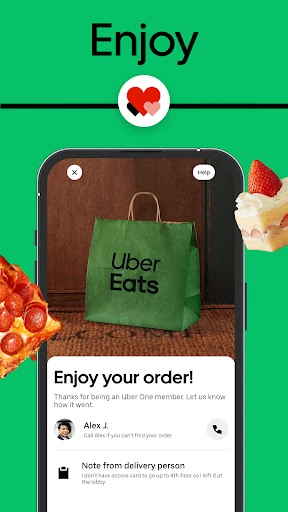
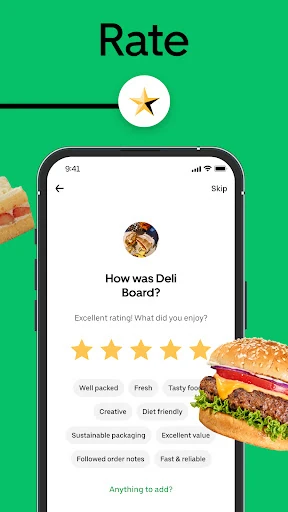
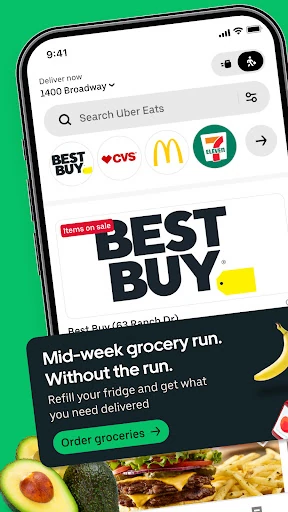
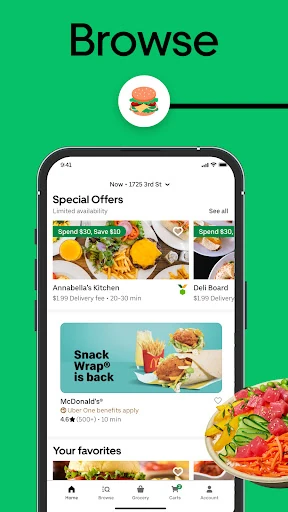
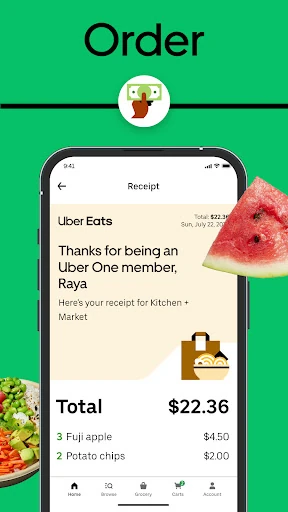
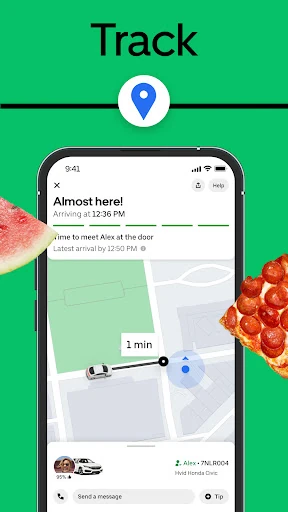
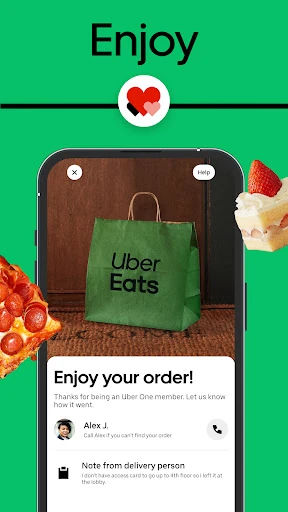
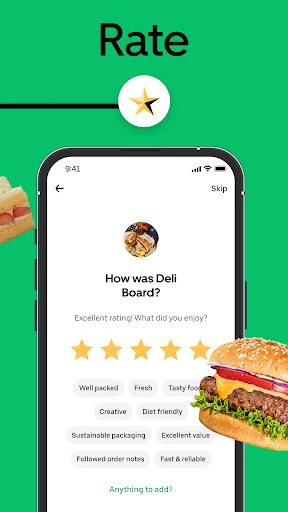
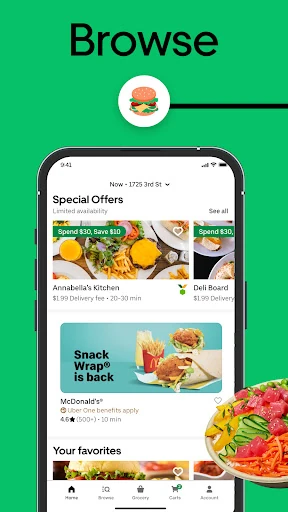
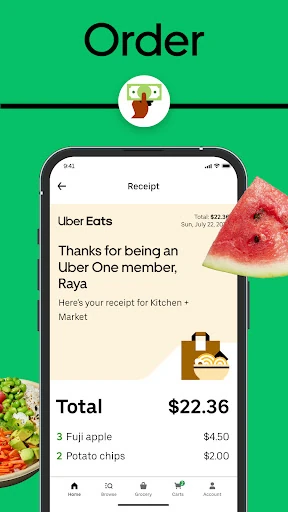
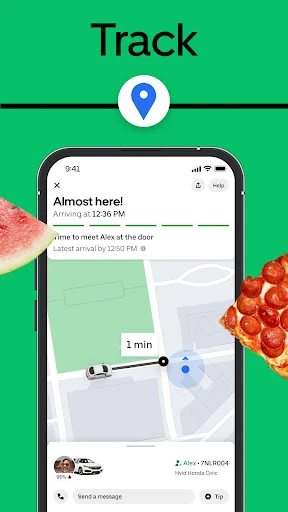
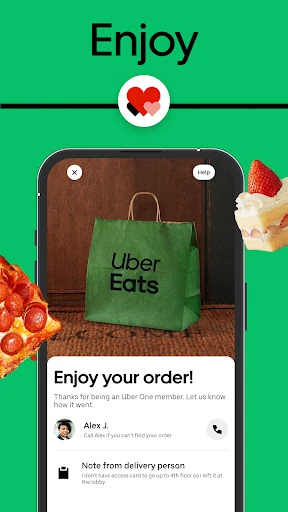
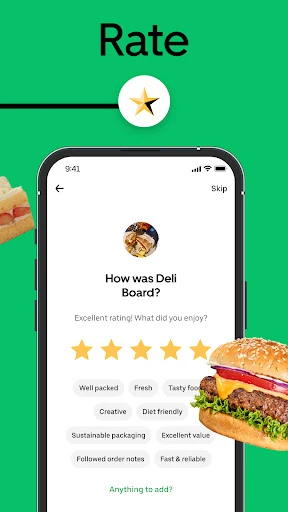
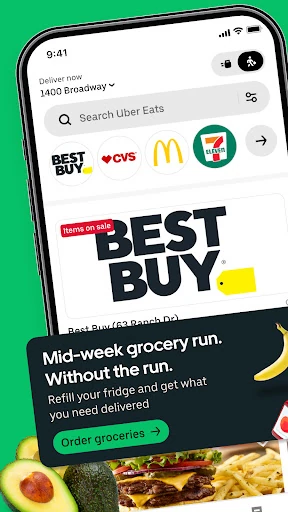
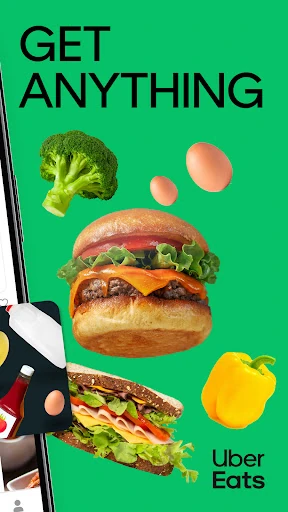
Click to download now, finish the installation quickly, and directly unlock the "all-round experience"
Uber Eats: Food and Grocery stands as a dominant force in the global Food & Drink sector, evolving from a simple meal delivery platform into a comprehensive "everything-on-demand" marketplace. By leveraging Uber’s massive logistical infrastructure, the app provides a seamless bridge between consumers and local commerce. In a landscape crowded with competitors, Uber Eats distinguishes itself through its sheer scale of partnerships—ranging from national fast-food giants to local niche boutiques and essential grocery retailers—making it an indispensable tool for the modern, convenience-driven consumer.
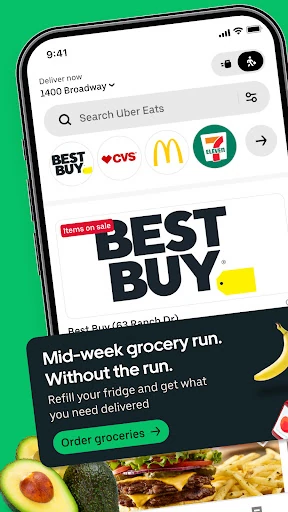
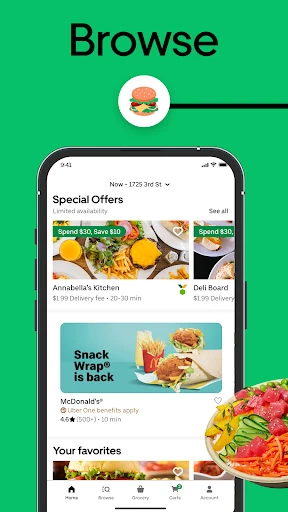
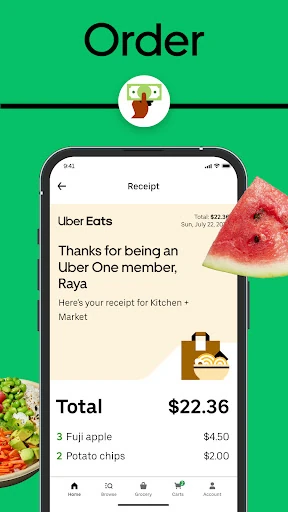
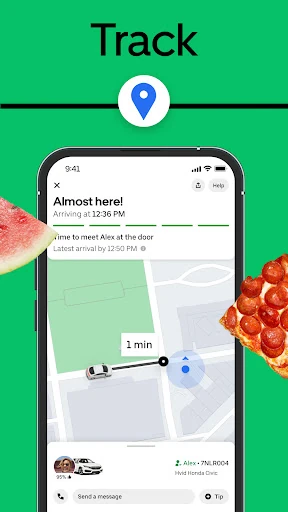
The UI of Uber Eats is a masterclass in visual hierarchy and conversion-driven design. It prioritizes high-quality food photography and clear typography to drive appetite and engagement. The checkout flow is highly optimized, requiring minimal taps from selection to confirmation. From a UX perspective, the transition between "Delivery" and "Pickup" modes is intuitive, and the "Order Again" feature leverages user history to streamline the repeat-purchase journey. The interface manages a massive amount of data—thousands of SKUs and restaurant menus—without feeling cluttered, which is a testament to its sophisticated information architecture.
While the app is highly polished, the next update could benefit from more robust AI-driven personalization that learns specific dietary restrictions (e.g., gluten-free or vegan) to filter results automatically. Additionally, enhancing the "Group Order" functionality to allow easier bill-splitting within the app would solve a major pain point for office and social environments. Finally, clearer transparency regarding "Service Fees" versus "Delivery Fees" during the cart phase would improve user trust.
Uber Eats: Food and Grocery is the definitive choice for busy professionals, families, and anyone living in an urban or suburban environment who prizes time-savings above all else. It is more than a food delivery app; it is a logistical remote control for your life. For frequent users, the Uber One subscription is highly recommended to offset costs. Ultimately, if you need a reliable, wide-reaching platform that can deliver anything from a latte to a bag of diapers in under an hour, this app remains the industry gold standard.