Advertisement
Click to download now, finish the installation quickly, and directly unlock the "all-round experience"
Advertisement
Screenshots


Click to download now, finish the installation quickly, and directly unlock the "all-round experience"
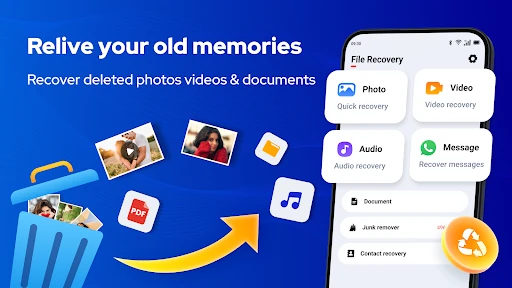
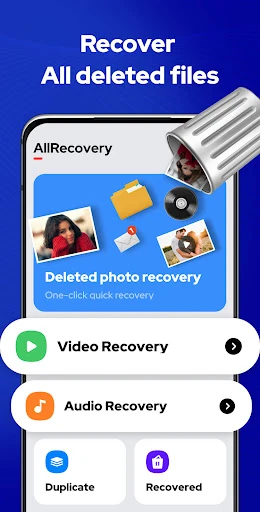
File Recovery - Photo Recovery is a highly accessible and efficient utility designed to act as a digital safety net for Android users. Positioned firmly within the essential Tools landscape, this application differentiates itself by offering a comprehensive suite of retrieval services—covering photos, videos, audio, and even messages—without the prerequisite of device rooting. It addresses a critical pain point for mobile users: the accidental loss of data. By combining a simplified "one-click" interface with advanced retrieval algorithms, it bridges the gap between professional data recovery tools and consumer-friendly applications, making it a standout choice for those needing immediate results without technical overhead.
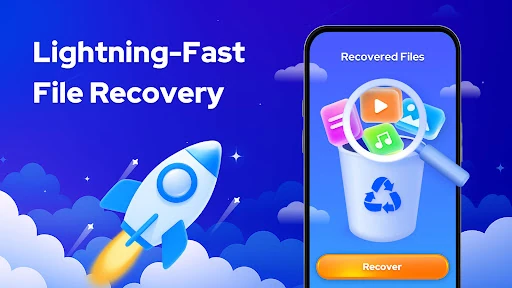
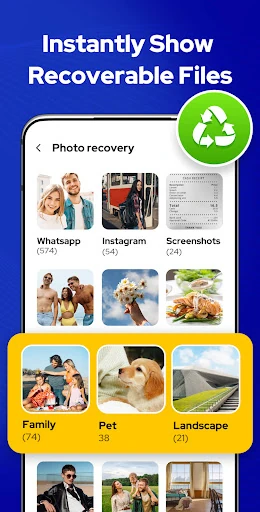
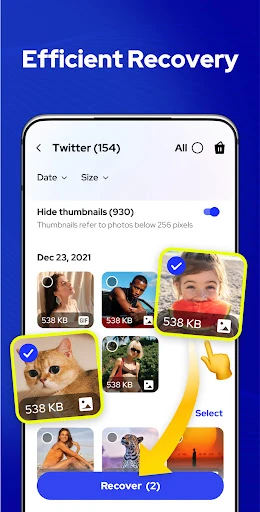
The UI of File Recovery - Photo Recovery is built on a philosophy of "Utility First." The interface is remarkably streamlined, revolving around a central "Scan" button that initiates the recovery process immediately. This "one-click" approach is ideal for the Tools category, where users are often in a state of urgency. The design avoids unnecessary menus, opting instead for a clear, grid-based preview system for recovered media. This visual feedback is crucial, as it allows users to verify files before committing to a restoration. Navigating the scan results feels snappy, and the inclusion of batch recovery features reflects a deep understanding of user workflow efficiency.
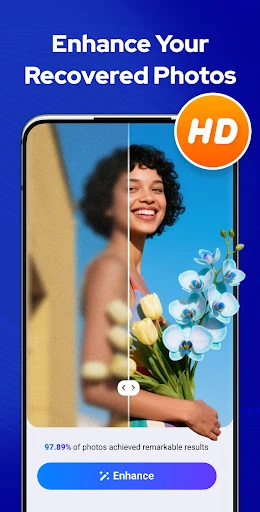
While the recovery logic is sound, the app could benefit from a more robust file preview system that supports larger video thumbnails or a short audio snippet playback before restoration. Additionally, integrating cloud storage backup options directly into the recovery workflow would provide a more proactive solution to data loss, moving the app from a reactive tool to a complete data management ecosystem. Refinement of the "Enhance Photo" AI to handle more diverse types of image degradation would also add significant value.
File Recovery - Photo Recovery is an excellent choice for the everyday smartphone user who lacks the technical expertise to use desktop-class recovery software. It serves as an effective "Recycle Bin" for Android that should have been a native feature. Its "No Root" requirement and simple UI make it a highly recommended first line of defense for accidental deletions. This app is best suited for individuals looking for a fast, free, and reliable way to reclaim lost media and messages without overcomplicating the process.